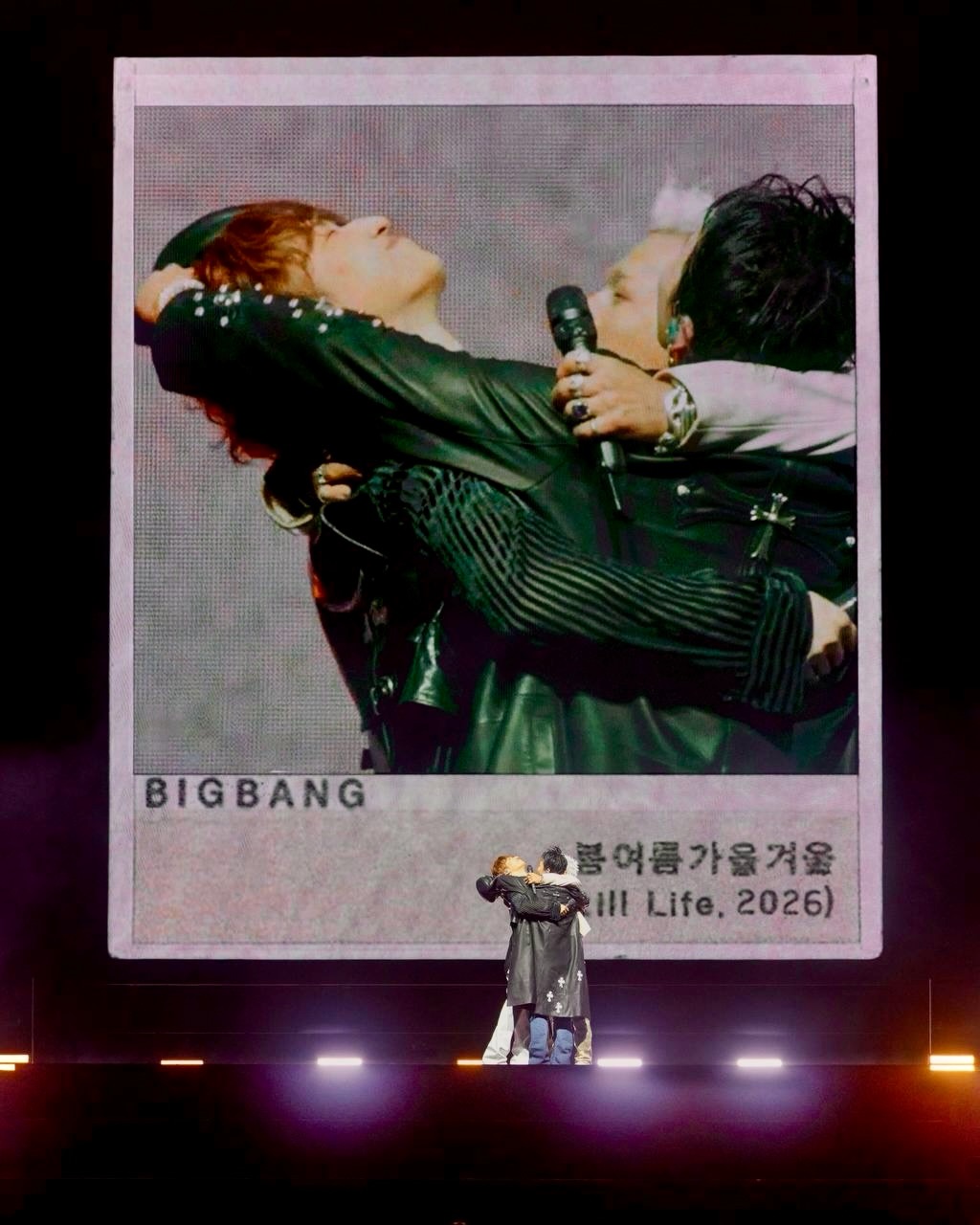
BIGBANG and the Night Time Stood Still
BIGBANG
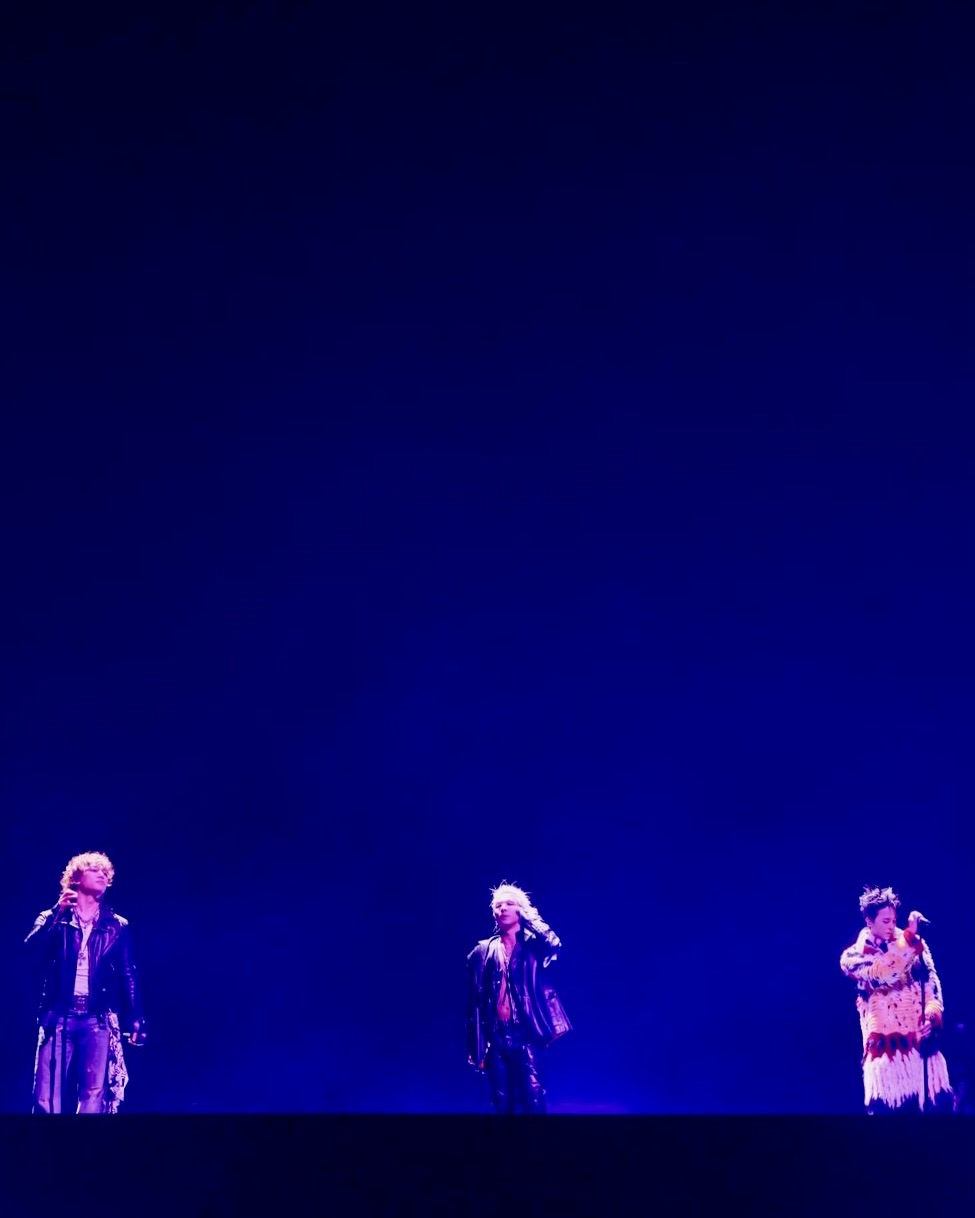
In 2026, when BIGBANG stepped onto the stage of the Coachella Valley Music and Arts Festival, it did not feel like a typical performance. There was no sense of a routine comeback, no urgency to prove relevance, no attempt to chase trends. Instead, what unfolded was something far more rare: a moment where time itself seemed to pause, allowing the past and present to exist simultaneously under the same desert sky.
Coachella has long been more than just a music festival. It is a global cultural barometer—a place where artists are not only showcased but measured. To stand on that stage is to answer an unspoken question: Do you still matter now? BIGBANG’s response was not loud, nor was it forced. It was quiet, almost effortless, carried in the weight of their presence. And somehow, that made it even more powerful.
Their appearance was not simply a return; it was the continuation of a narrative that had never truly disappeared. BIGBANG has always existed beyond the boundaries of a typical idol group. They were architects of a sound, pioneers of a style, and most importantly, storytellers of a generation. Years may have passed, and the industry may have evolved, but the emotional imprint they left behind remained intact—waiting, perhaps, for a moment like this to resurface.
What made this performance extraordinary was not just the music itself, but the collective memory it awakened. The crowd was not merely reacting to songs; they were responding to chapters of their own lives. Each note carried echoes of a different time—moments of youth, uncertainty, ambition, and identity. In that sense, the stage became less of a performance and more of a shared recollection, a bridge between who the audience once was and who they have become.
In today’s landscape, where BTS and BLACKPINK dominate global conversations, BIGBANG’s presence introduced a different dimension to K-pop’s narrative. It reminded the world that influence is not only about scale or immediacy, but also about endurance. Trends rise quickly, but only a few artists manage to leave marks that time cannot erase. BIGBANG belongs to that rare category.
There was also something strikingly unpolished about the performance—in the best possible way. It did not rely heavily on spectacle or overproduction. Instead, it leaned into authenticity: the imperfections, the raw vocals, the unfiltered energy. In an era where perfection is often manufactured, this authenticity felt almost rebellious. It was a reminder that true artistry does not always need refinement; sometimes, it simply needs honesty.
Ultimately, BIGBANG’s 2026 Coachella stage was less about reclaiming a position and more about redefining what legacy means. It was not a statement of dominance, but of permanence. Not a declaration of relevance, but proof that relevance, when rooted in something genuine, does not fade easily.
When the lights dimmed and the final notes dissolved into the desert air, what lingered was not just applause, but a quiet realization. Music, at its most powerful, is not about the moment it is performed—it is about the time it continues to live within us.
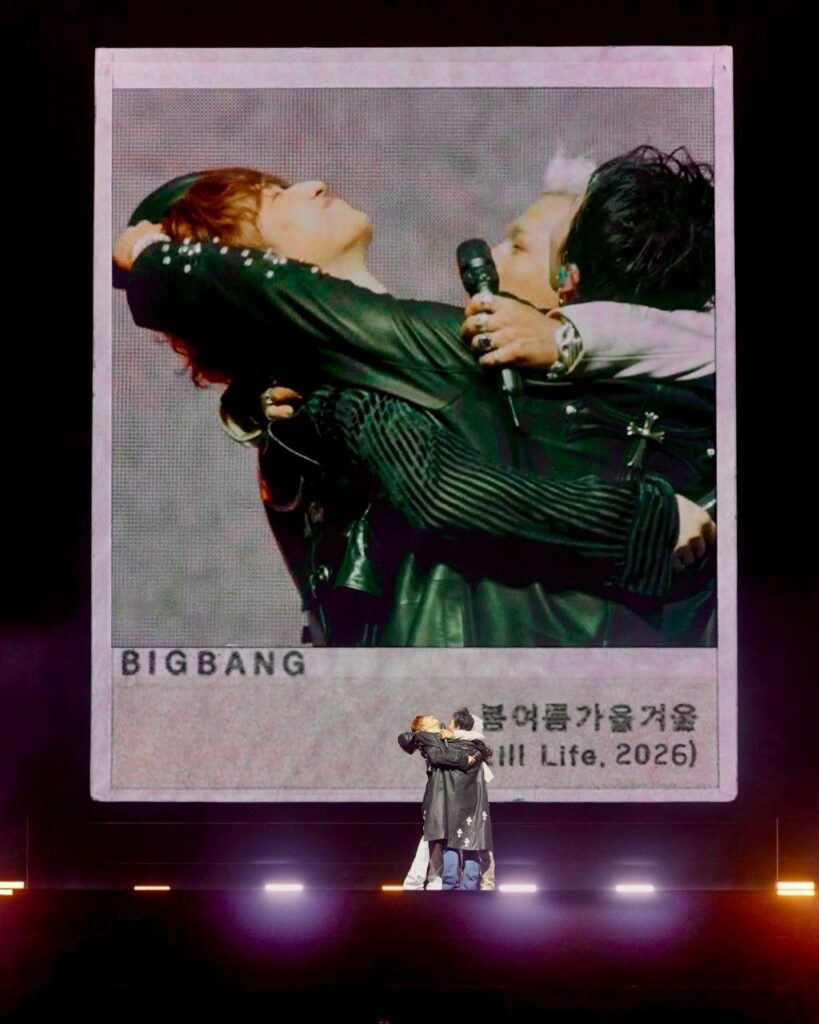
And on that night, BIGBANG did not simply perform.
They reminded the world that some stories do not end—they echo
2 thoughts on “BIGBANG and the Night Time Stood Still”